Interface Details
Power Input and Battery
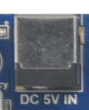
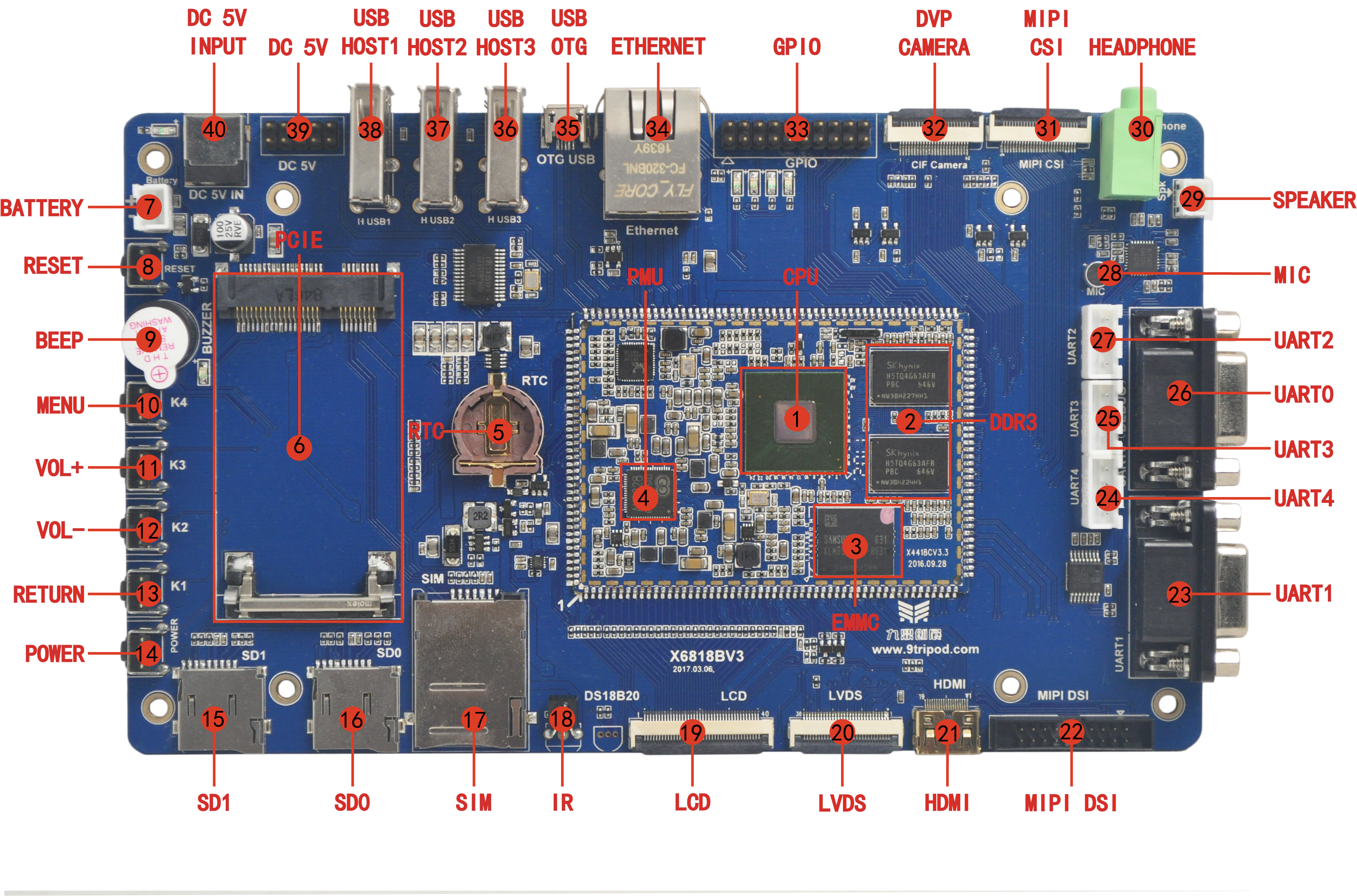
The board provides DC 5V input, a battery connector, and an RTC backup battery holder. In the interface map, DC 5V input is at the upper-left, the battery connector is on the left edge, and the RTC holder is near the lower-left of the core-board area.
Display Interfaces
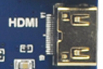
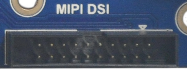
The board provides LCD/VGA, LVDS, MIPI DSI, and mini HDMI. RGB/LVDS/MIPI can be used with different panel modules, while HDMI is used for an external monitor.
Camera Interfaces
The board provides parallel Camera, MIPI CSI, and related camera expansion connectors, covering common DVP and MIPI camera applications.
USB
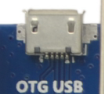
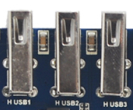
Three USB HOST ports and one USB OTG port are available. OTG can be used for system download, debugging, or device mode; HOST ports can connect mouse, keyboard, USB disk, USB Wi-Fi/BT, USB 3G, and other devices.
UART and Debug
UART0, UART1, UART2, UART3, UART4, and other serial resources are available, including debug UART, RS232 UART, and TTL UART resources.
Network and Wireless Expansion
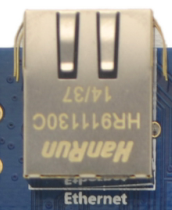
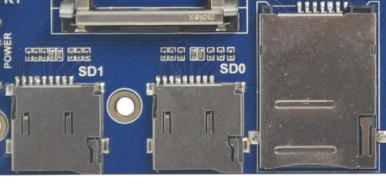
The board has Gigabit Ethernet RTL8211E and also provides PCIe and SIM-card socket for 3G/4G modules.
Audio
Headphone, speaker, and MIC connectors are located on the right side for playback, recording, and testing.
Keys, LEDs, Buzzer, and IR
The left edge contains Return, Volume+, Volume-, Menu, Power, Reset, and other keys. The board also has a buzzer, four LEDs, and an integrated IR receiver.
Interface Close-up Images